

Marguerite
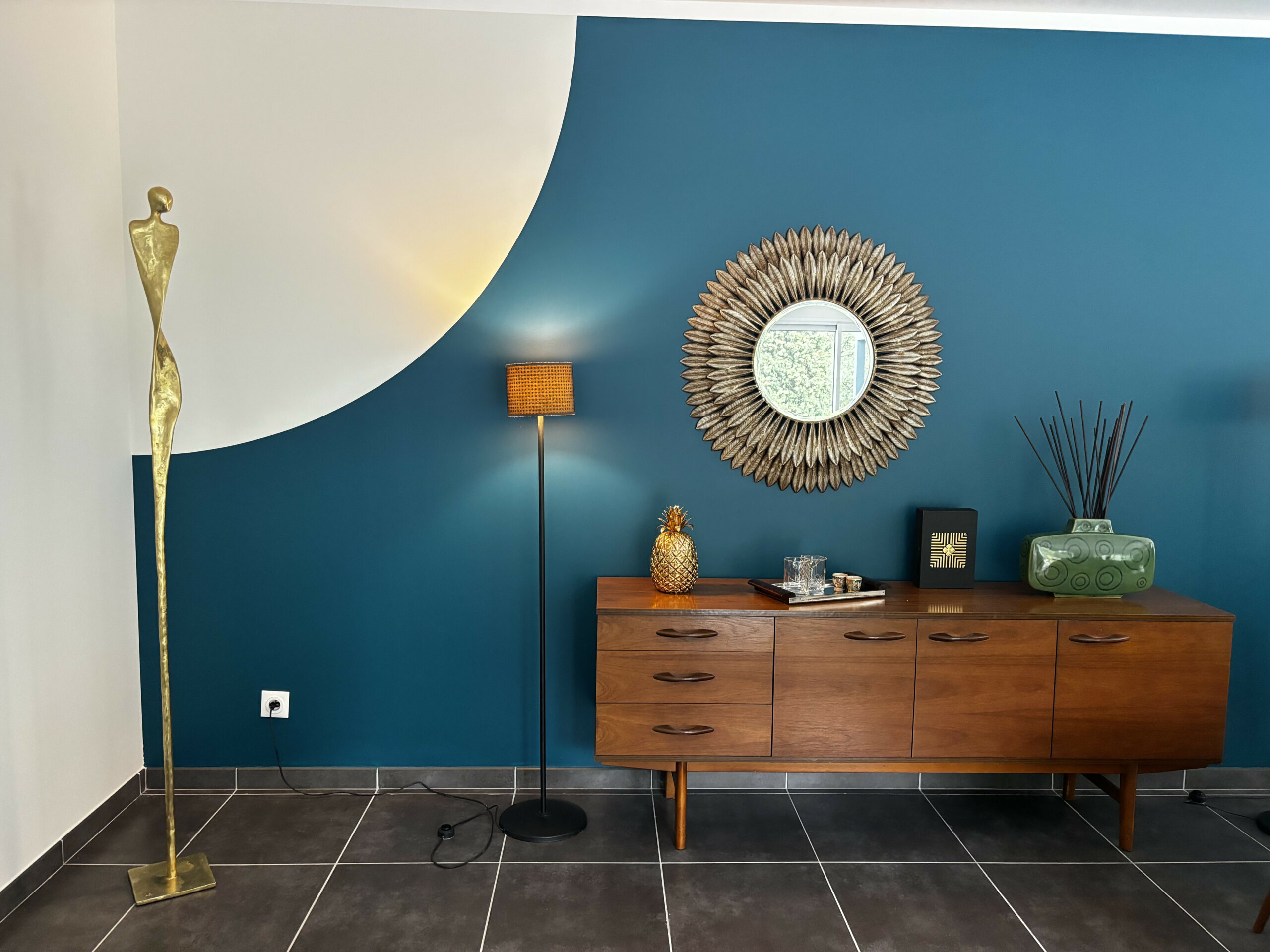
One of my customers in Provence.
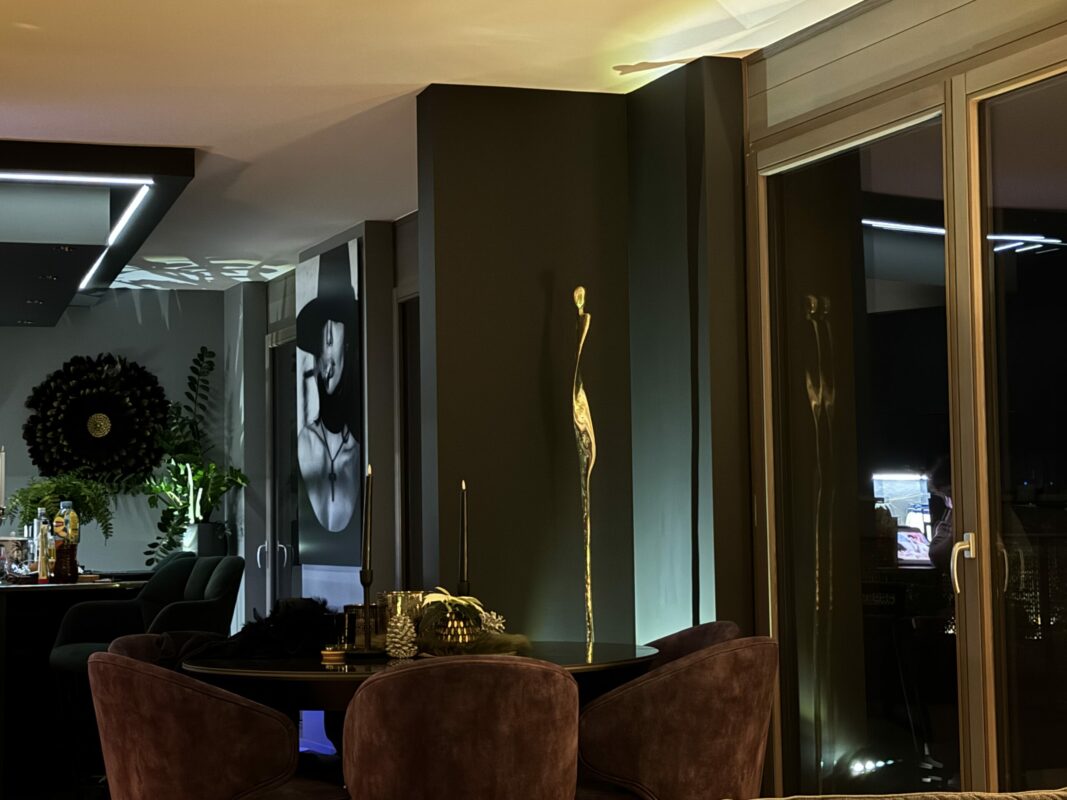
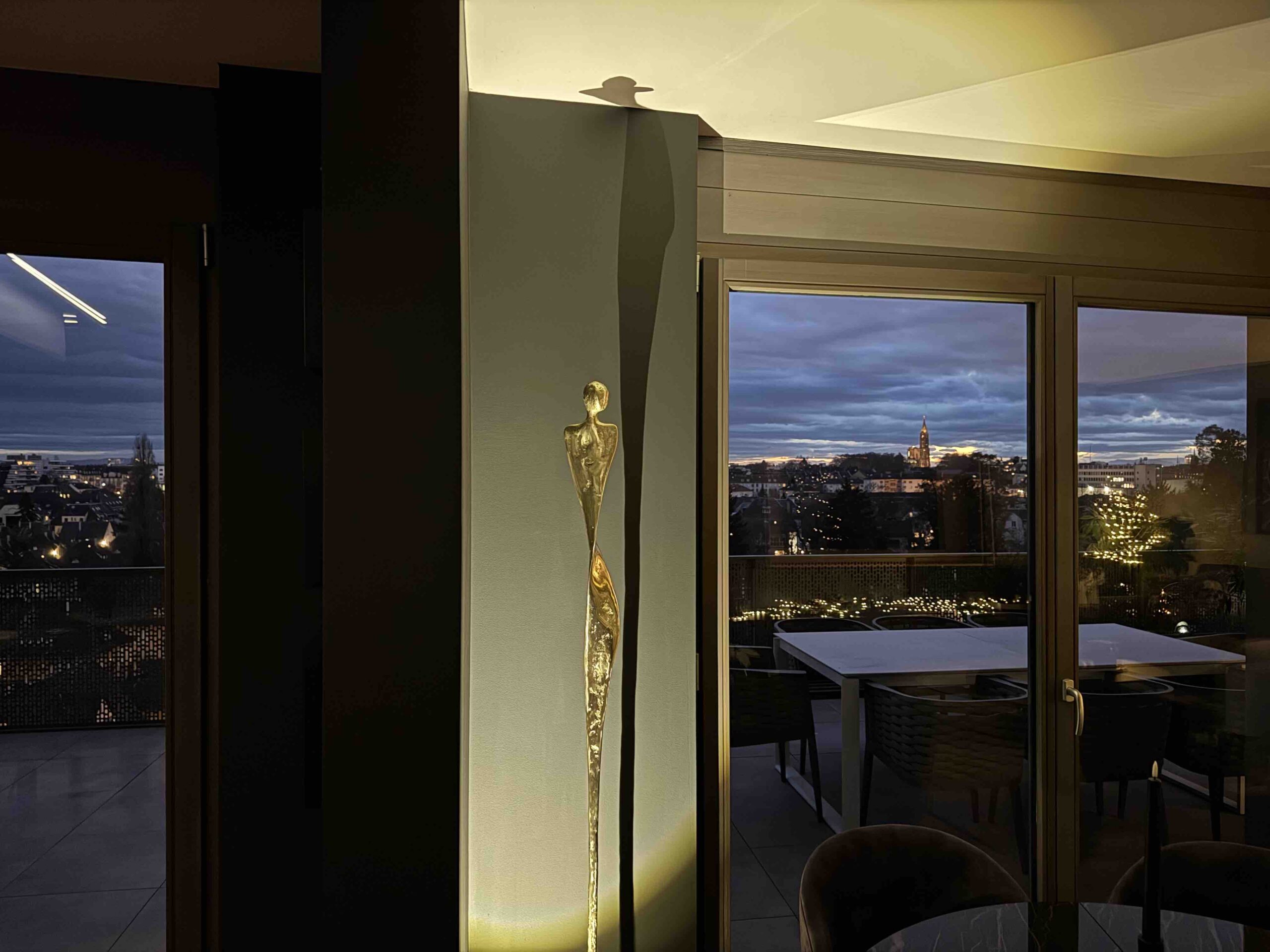
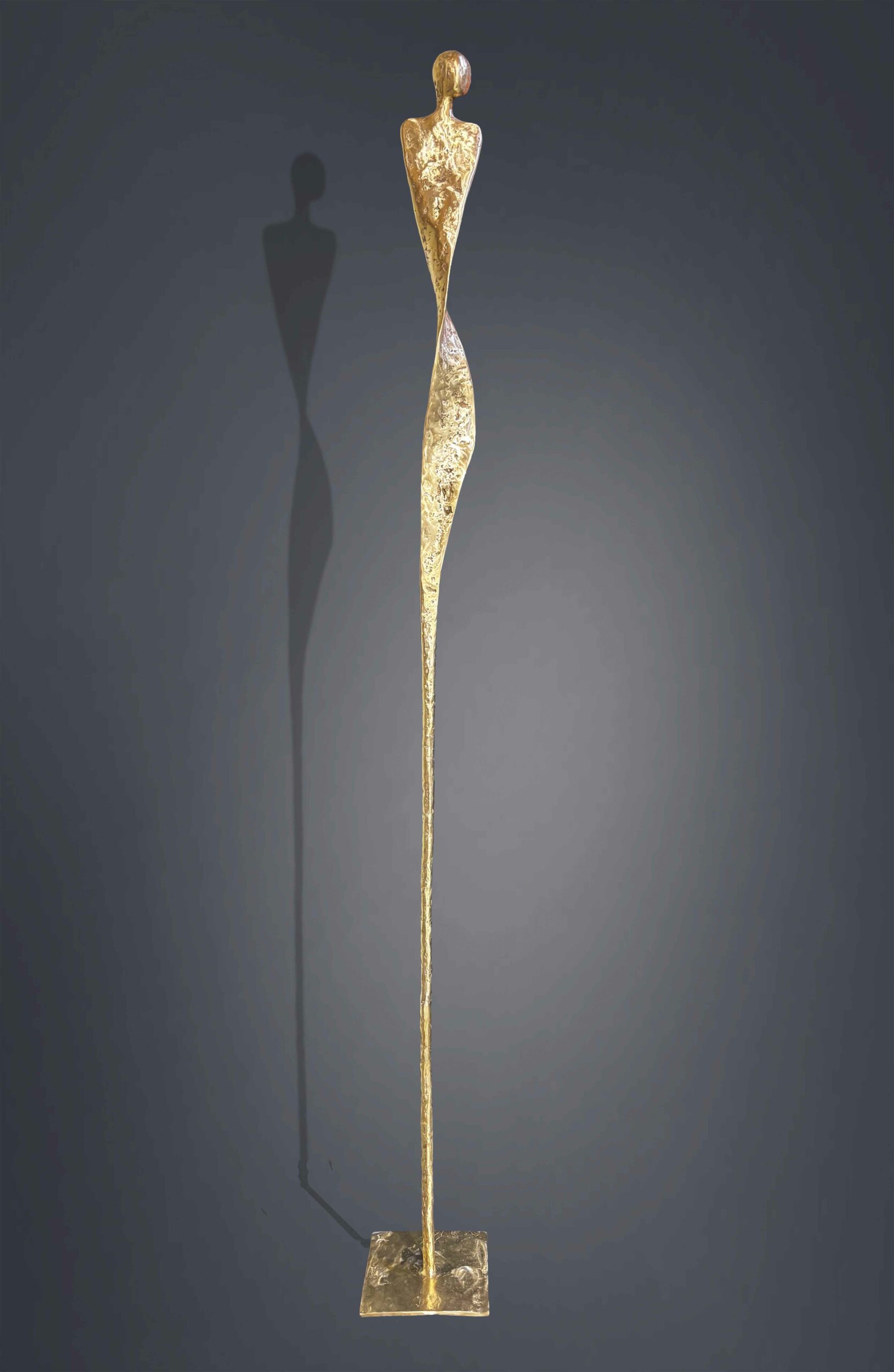
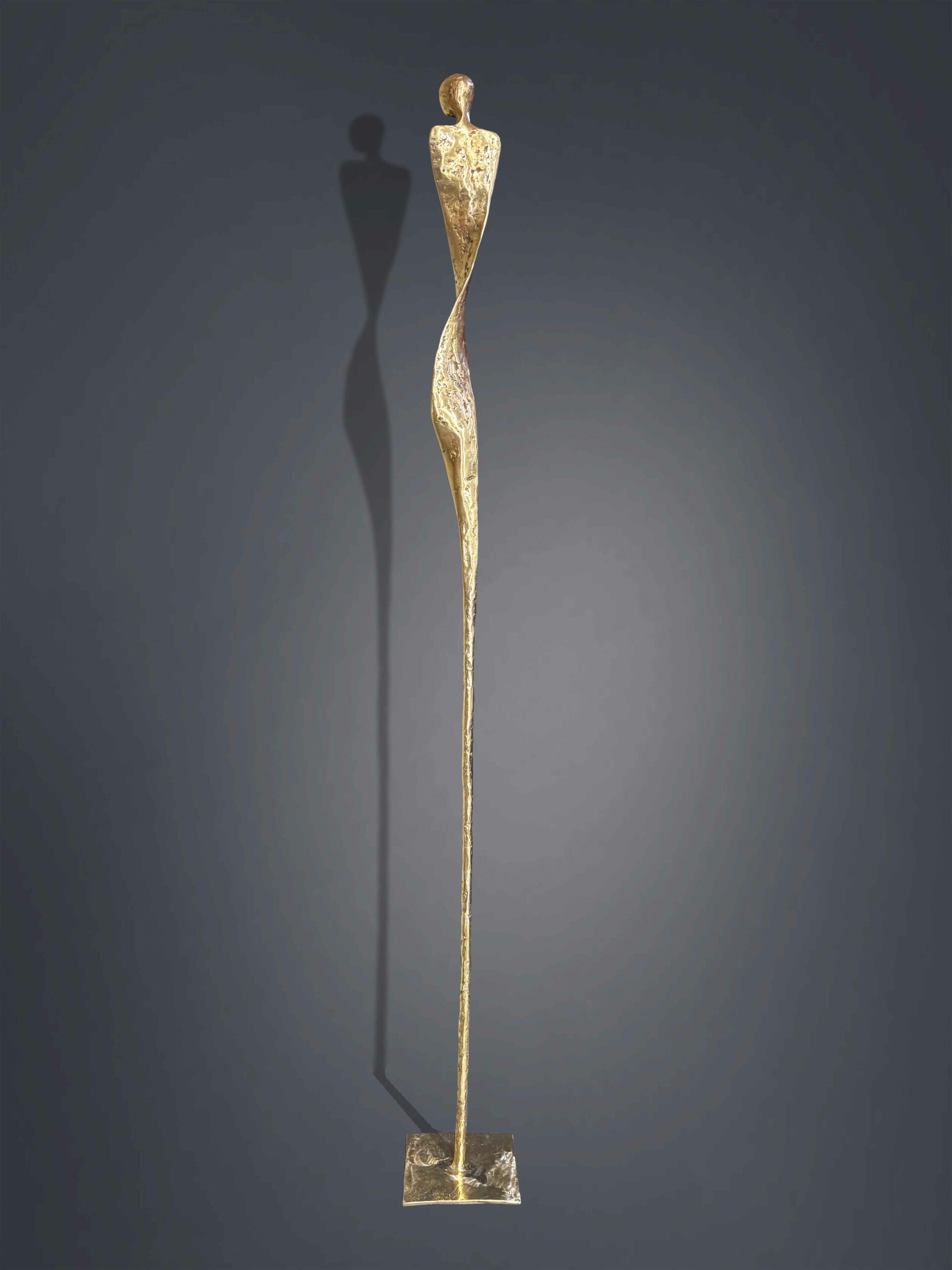
Sculpture of a woman in bronze
Numbered limited edition:
8 copies & 4 artist's proofs.
The finish of all my sculptures can be customised: raw bronze, semi-patinated or fully patinated (verdigris / lagoon blue / phtalo blue / red / black).
DIMENSIONS
H x D x W: 185cm x 20cm x 20cm
YEAR OF CREATION
2024
INSPIRATION
This bronze sculpture of a woman features a slender, almost unreal human figure that seems to defy the laws of balance. Its minimalist, uncluttered form evokes an ethereal presence, somewhere between abstraction and figuration. The finesse of the structure and its elevation give an impression of fragility, contrasted with the solidity of bronze, a material often associated with durability and robustness.
The extreme elongation of the form is immediately reminiscent of the work of Alberto Giacometti, in particular his filiform figures that express solitude and the human condition. However, unlike Giacometti's sculptures, which are often marked by a rough, tormented surface, this one plays on a duality between the smooth and the textured, giving it an almost organic appearance.
The absence of distinctive details, such as a face or precise anatomical features, gives this work a universal dimension. It does not represent a specific person, but rather a human essence, a timeless archetype that invites contemplation. Its elevation suggests a spiritual aspiration, an ascent to another dimension, recalling Constantin Brâncuși's formal quest with its refined, ascending forms.
Through its elegance and simplicity, this sculpture also speaks to the traditions of primitive and modern art, where the reduction of form aims to capture the very essence of the subject. It can evoke dance, suspended movement, or an immaterial presence frozen in bronze. Light plays an essential role, accentuating the reliefs and casting a shadow that doubles the work, adding a spectral and poetic dimension.
The choice of bronze as the material reinforces the contrast between the apparent fragility of the form and the intrinsic solidity of the work. Bronze has been used since ancient times for its durability and resistance to the elements, giving the sculpture a timeless, almost indestructible presence. Despite its slender appearance and precarious balance, it remains anchored in the material, defying gravity with assured stability. The bronze, with its natural patina and variations in colour, evolves over time, adding a living dimension to the work. This fusion of strength and delicacy, permanence and transformation, accentuates the aura of mystery and depth that surrounds this sculpture.
This sculpture questions our own relationship with space, the body and the immaterial, creating an experience that is both intimate and universal.